

Staten Island, New York
Asbestos Removal on Staten Island, NY, Planned Around Your Lab Results
Lab sampling first, then removal, after-hours cleanup, ACP-5 paperwork or a DEP order dealt with, each result explained in plain words before anything is priced, from St. George and Port Richmond to Great Kills and Tottenville.
How every job is handled
Sample by sample
Each material gets its own sample and its own lab line. You see which ones came back positive.
Scope on paper
Removal list, enclosure plan and waste route, all in writing first.
Sealed work zone
Poly walls, taped vents and a HEPA machine pulling air inward. Fibers stay put.
Wet, bagged, labeled
Material stays damp as it comes off, then goes into sealed, marked bags for a permitted site.
Phone answered any hour
Disturbed something at night or on a weekend? Somebody picks up and talks you through it.
Asbestos Services for Staten Island Homes and Buildings
Five services. Most calls start with one question: is this stuff asbestos or not? From there the job might be a removal, a cleanup after something broke, or paperwork the Department of Buildings needs. Find yours below.
Asbestos Removal
Lagging on old heating lines, square tile and its tar-black glue, cottage-cheese ceilings, cement shingles, duct wrap. Only lab-confirmed material, pulled inside an enclosure and signed off by an outside air test.
Emergency Asbestos Removal
A pipe burst, a storm tore into the siding or a contractor broke into old tile. The area gets isolated, the dust gets controlled and a licensed crew cleans up and removes what was damaged.
Asbestos Testing
A certified inspector takes samples from each suspect material. An accredited lab analyzes them. You get a result for every sample and a plain reading of what it means for your project.
ACP-5 Filing
Your DOB permit wants proof the job will not touch regulated asbestos. That proof is the ACP-5: a survey, lab results and an investigator's signature, DEP-certified.
DEP Asbestos Stop Work Order Removal
DEP halted the job over asbestos. Missing paperwork gets filed, the material is abated under controls while the air is sampled, and the job works back toward a release one documented step at a time.
Five Steps, Each One Documented
The call
Tell us the building, the material and what started it. A boiler swap, a kitchen gut, a sale, a DEP order. A few specific questions narrow down what needs sampling and whether anything is urgent.
Sampling and the lab
A certified inspector visits, takes a sample from each suspect material and labels it to its location. An accredited lab runs the analysis. You get the results line by line, positive and negative.
Scope and filings
Only the positive materials go on the removal scope. The scope, the price and any required notification or ACP-5 paperwork are set out in writing before work starts.
Containment and removal
Up goes the enclosure: polyethylene on every surface, each opening taped closed, a HEPA-filtered fan keeping pressure inside lower than outside. Each material is soaked through, taken off and packed in tagged bags or sealed wrap.
Cleanup and clearance
Every surface HEPA vacuumed and damp wiped. An outside firm samples the air. Clearance first, handback second. The bags ride to a permitted facility.
Why Staten Island Owners Call This Number
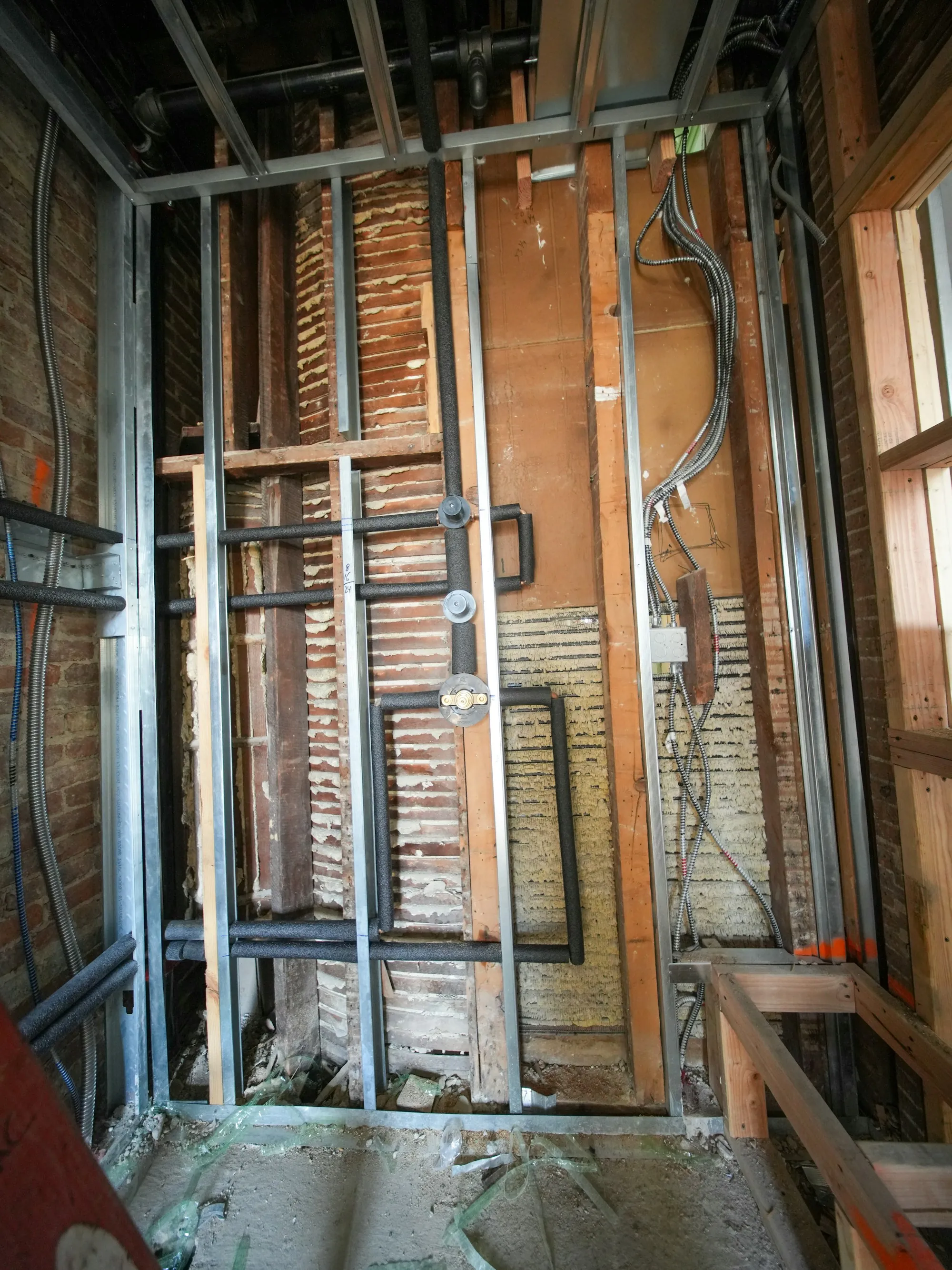
Good asbestos work is mostly about precision. Know exactly what is there. Write down exactly what comes out. Keep exactly where it goes under control. That is the whole approach.
A written scope before anything moves
Before a single bag is filled, you hold a document listing each material slated for removal, the enclosure plan, the waste route and the air result needed to finish. Change the plan and the document changes too. No fuzzy line items.
Containment built properly
Polyethylene over floors and walls. Registers, doors and gaps closed with tape. A HEPA fan drawing air in, never out. Dust from the work area stays in the work area, not in the hallway, the next apartment or the ductwork.
A licensed abatement contractor
State law says a licensed contractor with certified handlers does this work. That is exactly the crew you get, and the filings are prepared correctly at the outset, so an inspector or a buyer's attorney finds nothing to question.
Disposal you can trace
Material is wetted, sealed in two layers of poly bag or wrap, tagged, then trucked to a permitted disposal site. Records are kept, so you can show where your asbestos went if anyone asks.
Covering Staten Island, North Shore to South Shore
Staten Island has a lot of houses built when asbestos was still a normal building material. Boiler rooms with wrapped pipes in older North Shore homes around St. George, Stapleton and Port Richmond. Mid-century floor tile and textured ceilings in the neighborhoods along Hylan Boulevard and Richmond Avenue. Garden apartments and co-ops with shared basements and mechanical rooms. The work runs across Richmond County, from Westerleigh and Todt Hill to New Dorp, Great Kills, Eltingville, Annadale and Tottenville, and the Staten Island Expressway keeps crews moving between them. Because the whole island is part of New York City, DEP's asbestos program and Department of Buildings filings apply to every one of these jobs.
One house or a whole building
A single basement with old pipe wrap and a multi-family building with a shared boiler room get the same sampling discipline. Only the size of the containment changes.
City rules, every address
Every Staten Island job sits inside the five boroughs. ACP-5 reports, project notifications and DEP sign-off are part of the plan from the first call.
The same number island-wide
Tottenville or St. George, (718) 395-5615 reaches the same team and the same step-by-step process.
Neighborhoods we cover
- Staten IslandStaten Island ExpresswayHome base
- St. GeorgeBy the ferry terminal
- StapletonNorth Shore
- Port RichmondNorth Shore
- WesterleighNorth Shore
- Todt HillMid-Island
- New DorpHylan Boulevard
- Great KillsHylan Boulevard
- EltingvilleRichmond Avenue
- AnnadaleSouth Shore
- TottenvilleHylan Boulevard
Your neighborhood not on the list? It is almost certainly covered. Ask.
Confirm your block is covered: (718) 395-5615Not Sure What That Material Is? Find Out First.
Guessing costs money in both directions. Rip it out and it might be asbestos. Pay to remove it and it might not be. A sample and a lab result settle it. Phone in and we will figure out what should be tested.
Talk through what needs sampling: (718) 395-5615One conversation. Nothing to sign.
Staten Island Asbestos Questions, Answered Straight
The questions that come up most when people find something suspicious in a basement, a ceiling or under a floor.
How does asbestos testing actually work, and when do I get results?
Short version: a certified inspector cuts a small piece from each suspect material, bags and tags it, and sends it off for accredited lab analysis. Timing depends on the lab and how quickly you need answers, and you are told what to expect before the samples go out. The report lists each sample separately, so you know exactly which materials tested positive.
Can old asbestos floor tile stay put and be covered over?
Frequently. Solid, firmly stuck-down tile can stay where it is under a new floating floor or underlayment, since covering it releases nothing. Removal makes sense when tiles are cracked or loose, when the subfloor needs work, or when a renovation will cut, grind or pull them up. A lab result shows whether the tile, its adhesive or both are positive.
Is my popcorn ceiling likely to have asbestos in it?
It is possible, especially in a house whose ceilings date from the 1970s or 1980s, and the only way to know is a lab result. Many textured ceilings test negative, and some test positive. Have it sampled before you scrape, sand or drill into it, because disturbing it is what releases fibers.
What is an ACP-5, and when does a Staten Island project need one?
Think of it as the city's asbestos form for permits, formally the Asbestos Assessment Report. A DEP-certified investigator surveys the space and, when the planned job stays clear of regulated asbestos, puts a signature on the ACP-5 that travels with most DOB permit applications. If the job would hit asbestos, that material is abated under a project notification before permit work starts.
Which materials in older houses are most likely to contain asbestos?
Top of the list: wrapped heating pipes and boilers, old vinyl tile plus the dark adhesive beneath, sprayed-on ceiling texture, wallboard joint compound, duct wrap, and cement shingles on walls or roofs. These were common in buildings through the 1970s and into the 1980s. None of them can be confirmed by eye, so each one gets sampled.
What licensing should an asbestos abatement company have in New York?
The company needs a New York State asbestos license, and each worker on site needs a state asbestos handler certificate. Inside the five boroughs, the city's DEP asbestos program adds its own certificates and filings on top of that. Ask to see them before anyone starts work on your property.
Does New York require a licensed contractor to remove asbestos?
Yes. Asbestos work in New York falls under Industrial Code Rule 56, which requires a licensed contractor, certified handlers, notification for larger projects and independent air monitoring. On Staten Island, DEP rules apply as well, because the borough is part of New York City.
What does asbestos removal cost, and what changes the price?
Price follows the material type, the quantity, access (a crawlspace is harder than an open basement) and the size of enclosure required. Filings, air monitoring and disposal are part of the total too. Once the lab confirms what tested positive, you get a written scope and a price for that scope, not a guess.
How long does an asbestos removal job take?
It depends on the amount of material, the size of the work area, any required notification and when the clearance test comes back. A small section of pipe wrap and a full basement of floor tile are very different jobs. You get a realistic schedule for your job once the scope is set.
Can my family stay home while asbestos is being removed?
Usually yes, as long as nobody enters the sealed work area. The containment and negative air keep fibers inside it, and the area stays closed until independent air testing clears it. If the work is near bedrooms, the only bathroom or the heating system, we talk through whether stepping out for part of the job makes sense.
Built on Sampling, Not Assumptions
Asbestos Removal Staten Island exists for one reason: people deserve to know what is in their building before they spend money on it. Every suspect material is sampled. Every result is explained. Removal covers only what tested positive, inside proper containment, with a clearance test at the end. Homes, co-ops, rentals and storefronts all get the same method.
Meet the sampling-first team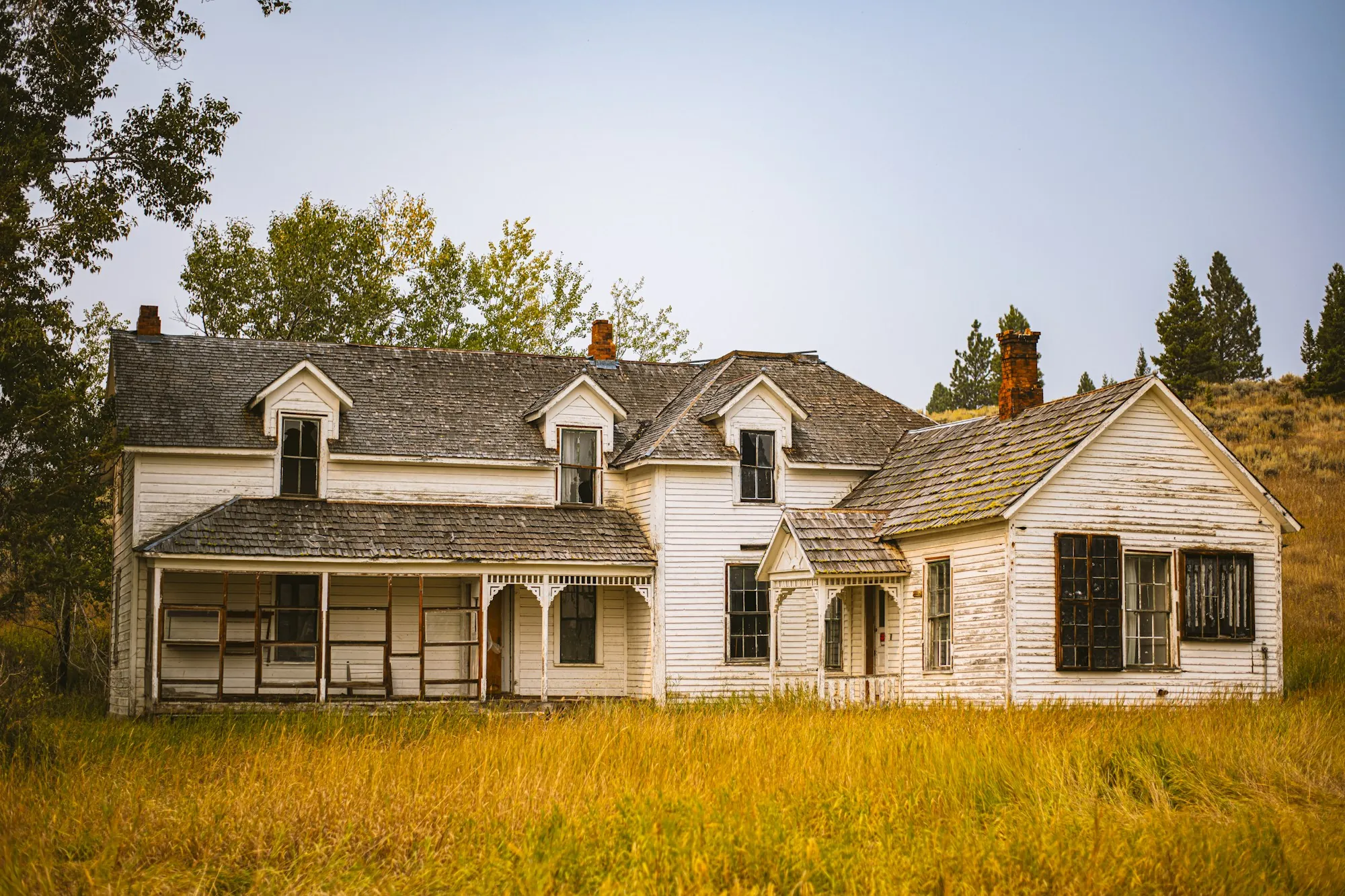
Get the Facts on That Material
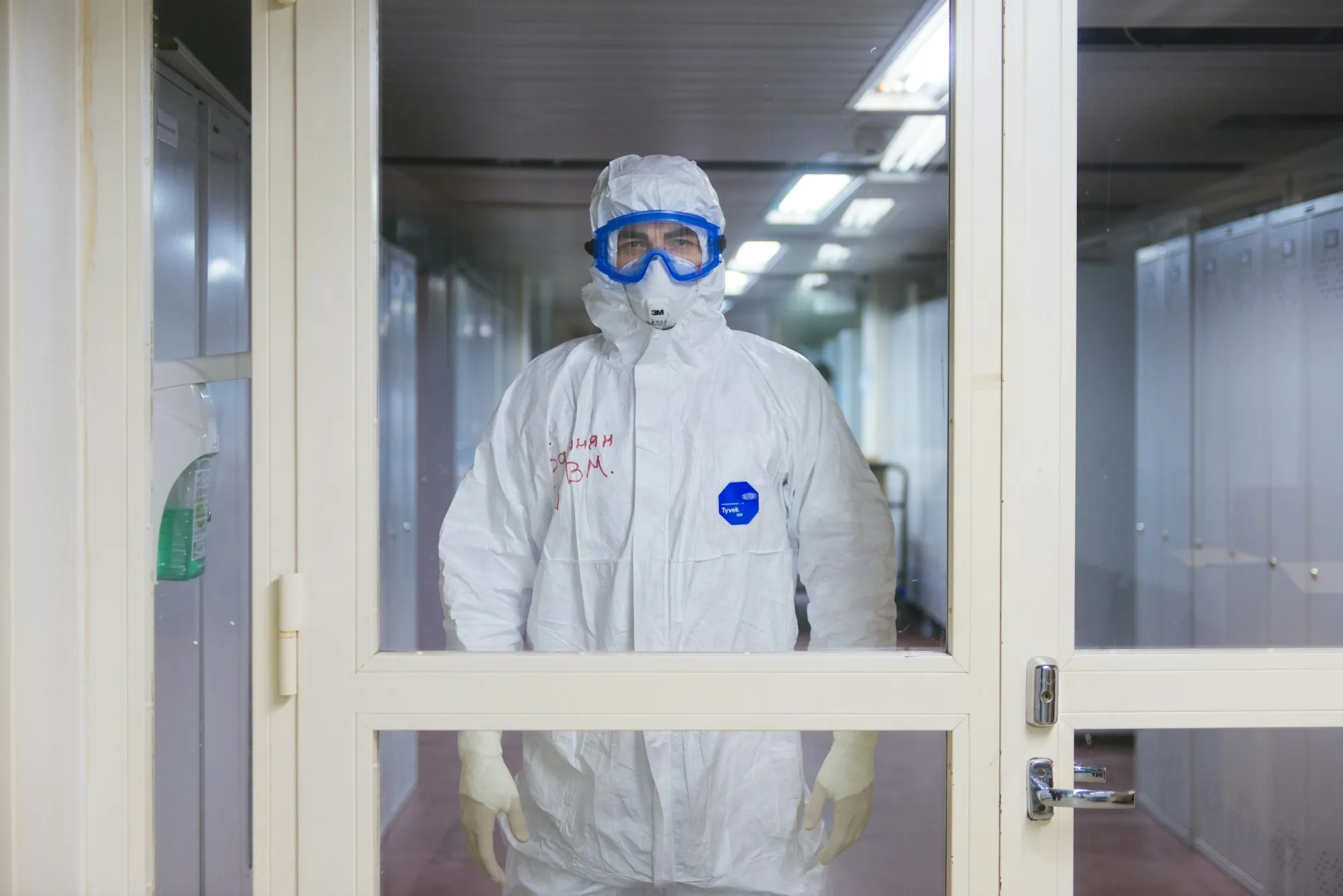
Describe what you found and where. We will talk through what needs sampling, what the results could mean for your project and what happens next.
Answered 24/7 across Staten Island and Richmond County.